Understanding PTSD: Symptoms, Causes and How Therapy Helps
Post-traumatic stress disorder can follow any frightening or overwhelming event. Learn the signs, why it happens and how trauma-focused therapy supports recovery.
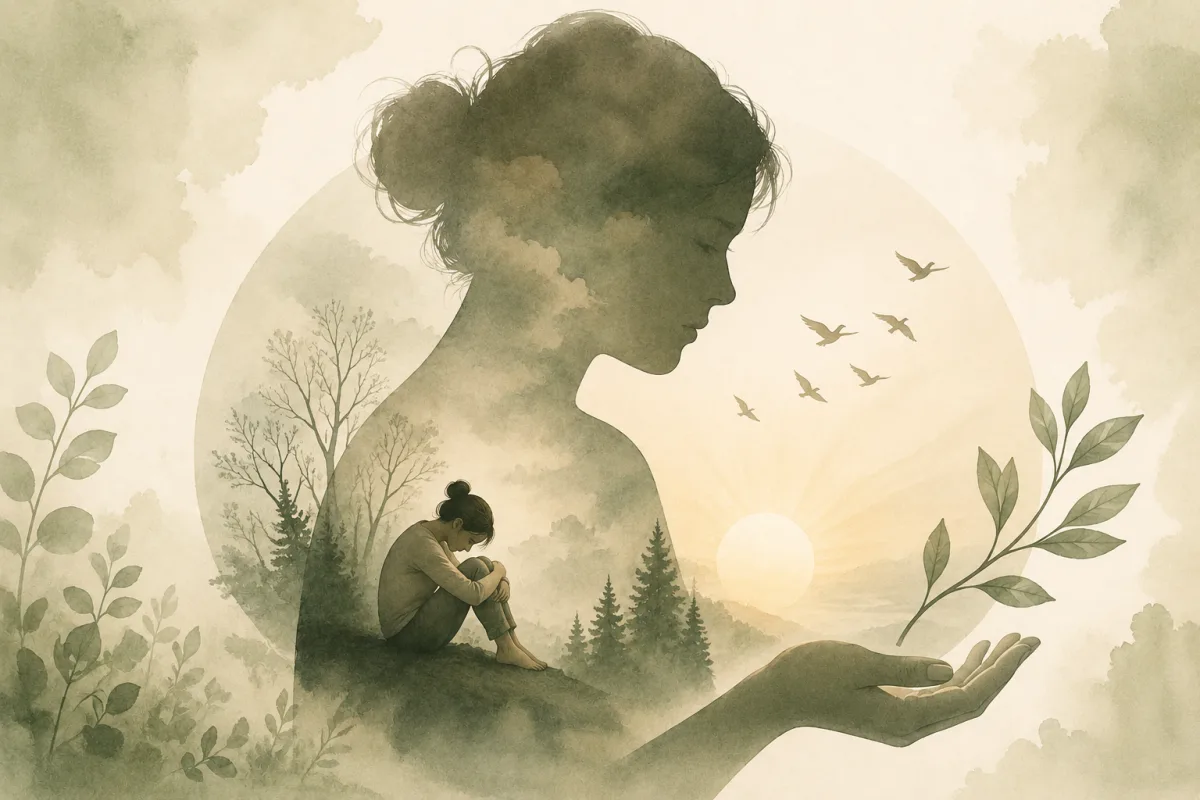
After a road accident, assault, sudden loss or any overwhelming event, it is natural to feel shaken for a while. For some people, though, the distress does not settle. Memories keep intruding, sleep is disturbed and everyday reminders bring back intense fear. This may be post-traumatic stress disorder (PTSD), and it is very treatable.
What is PTSD?
PTSD is a condition that can develop after experiencing or witnessing a traumatic event. The brain's alarm system stays switched on long after the danger has passed, so the body reacts as if the threat is still present.
Common symptoms of PTSD
- Re-experiencing: flashbacks, nightmares or upsetting memories that feel vivid and real.
- Avoidance: staying away from places, people or conversations that remind you of the event.
- Changes in mood and thinking: guilt, shame, numbness or losing interest in things you enjoyed.
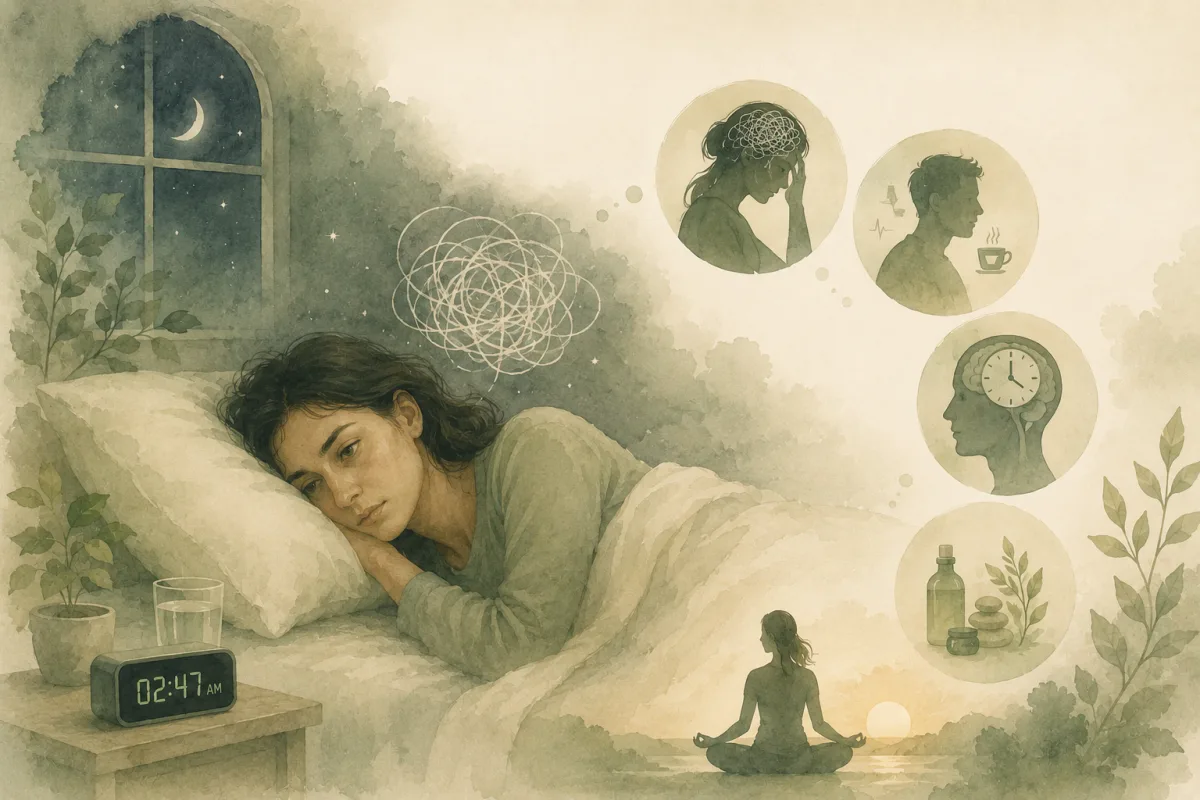
- Feeling on edge: being easily startled, irritable, unable to concentrate or sleep.
Why does it happen to some people and not others?
Many factors play a role, including the nature of the event, previous experiences of trauma, ongoing stress and the support available afterwards. Developing PTSD is not a sign of weakness.
How therapy helps
Evidence-based treatments help the brain process the memory so it no longer feels like it is happening now:
- Trauma-focused CBT to work with distressing thoughts and gradually reduce avoidance.
- EMDR (Eye Movement Desensitisation and Reprocessing) to help the memory become less intense.
- Grounding and mindfulness skills to manage flashbacks and stay present.
Therapy goes at your pace, in a safe space. You do not have to share every detail before you are ready. Learn more about our individual counselling approach.
When to seek help
If symptoms last more than a month, or are affecting your work, relationships or sleep, speaking to a clinical psychologist is a good next step. If you ever feel unsafe, please call Tele-MANAS on 14416 (free, 24x7).
Supporting yourself day to day
- Keep a simple routine for sleep, meals and movement
- Use grounding: name five things you can see, four you can touch, three you can hear
- Limit alcohol and caffeine, which can worsen anxiety and sleep
- Stay connected with people who feel safe
How family and friends can help
Listen without pushing for details, be patient with changes in mood, and encourage professional support. Avoid statements like 'just move on', which can increase shame.
Frequently asked questions
Can PTSD develop months after an event?
Yes. Symptoms usually begin within three months, but they can appear later, sometimes triggered by a new stress or reminder.
Is PTSD only for soldiers?
No. Accidents, assault, sudden loss, medical emergencies and natural disasters can all lead to PTSD.
Can PTSD be treated online?
Yes. Trauma-focused therapy can be delivered effectively through secure video sessions.

RCI-licensed Clinical Psychologist and Mindfulness-Based Psychotherapist, Gold Medalist, with 10+ years of experience and 7,000+ therapy sessions.
About the author →Need someone to talk to?
Book a confidential session in Kolkata or online.