
Understanding Insomnia and Sleep Disorders
Trouble sleeping affects mood, focus and health. Here is what keeps the mind awake at night, and practical, evidence-based ways to sleep better.
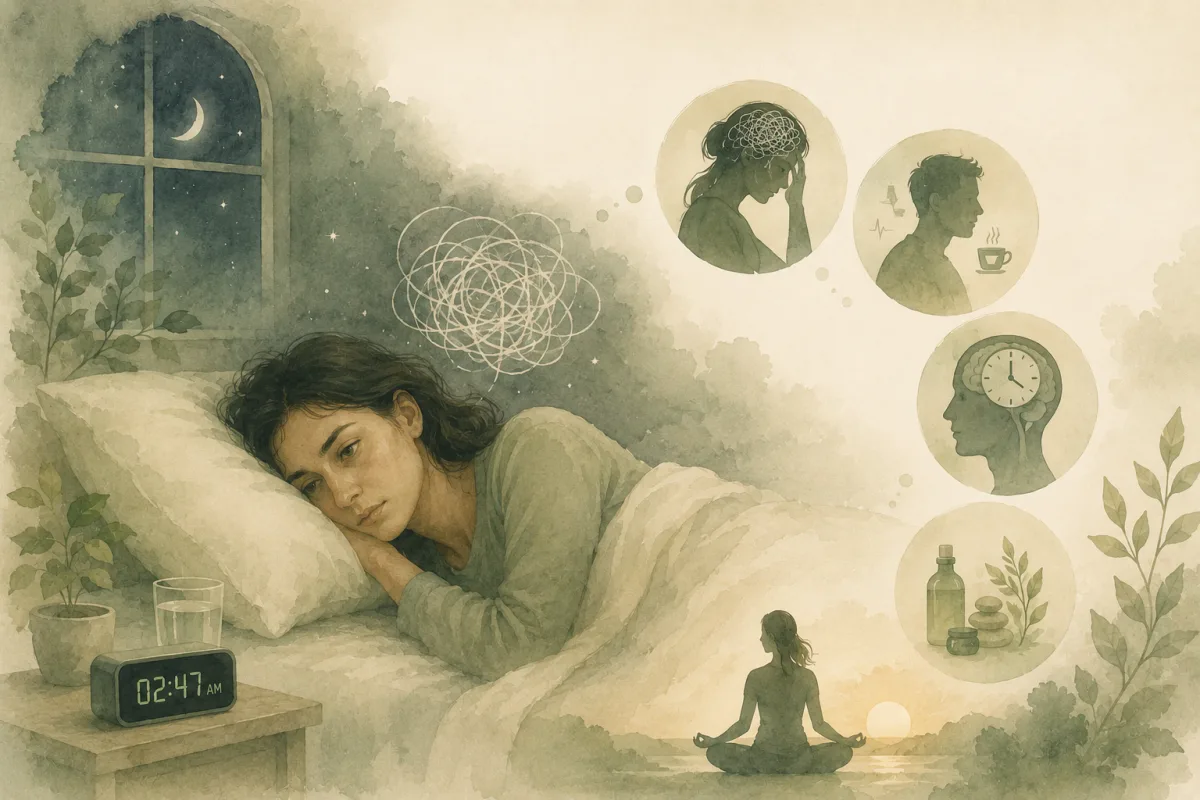
Lying awake with a racing mind, waking at 3 a.m., or feeling exhausted no matter how long you stay in bed: poor sleep affects mood, concentration and physical health. The good news is that insomnia responds well to simple changes and structured therapy.
What is insomnia?
Insomnia means regular difficulty falling asleep, staying asleep or waking too early, along with daytime tiredness or irritability. When it happens at least three nights a week for three months, it is considered chronic.
Common causes
- Stress, worry and overthinking at bedtime
- Irregular sleep timings and late screen use
- Caffeine, heavy late meals or alcohol
- Anxiety, low mood or grief
- Medical conditions or medication side-effects (worth checking with your doctor)
Practical sleep habits that help
- Keep the same wake-up time every day, including weekends.
- Use the bed only for sleep; if you cannot sleep after about 20 minutes, get up and do something calm in dim light.
- Put phones away at least 45 minutes before bed.
- Create a short wind-down routine: a warm bath, light reading or slow breathing.
- Limit caffeine after early afternoon.
CBT for insomnia (CBT-I)
CBT-I is the recommended first treatment for chronic insomnia. It helps reset your sleep pattern and reduce the anxious thoughts that keep you awake, usually over a few weeks. It is often combined with stress and anxiety support when worry is the main driver.
When to seek help
If poor sleep has continued for weeks and is affecting your day, a consultation can help identify what is keeping it going and build a personalised plan.
A simple wind-down routine
About an hour before bed, dim the lights, put screens away, and choose a calming activity such as reading, light stretching or listening to soft music. A warm shower can help the body prepare for sleep. Keep the bedroom cool, dark and quiet.
What to do when you cannot sleep
Avoid watching the clock. If you have been awake for around 20 minutes, get up, sit somewhere dim and do something relaxing until you feel sleepy, then return to bed. This helps your brain link the bed with sleep rather than frustration.
Frequently asked questions
Should I take sleeping pills?
Medication decisions should be made with a doctor. For long-term insomnia, CBT-I is recommended as a first-line treatment because its benefits last.
Do naps help?
Long or late naps can make night-time sleep harder. If you need a nap, keep it short and before mid-afternoon.
How long does CBT-I take?
Many people see improvement within four to eight sessions.

RCI-licensed Clinical Psychologist and Mindfulness-Based Psychotherapist, Gold Medalist, with 10+ years of experience and 7,000+ therapy sessions.
About the author →Need someone to talk to?
Book a confidential session in Kolkata or online.