Anger Management: Understanding Anger and Responding Calmly
Anger is a normal emotion, but how we express it matters. Learn early warning signs and practical techniques to respond rather than react.
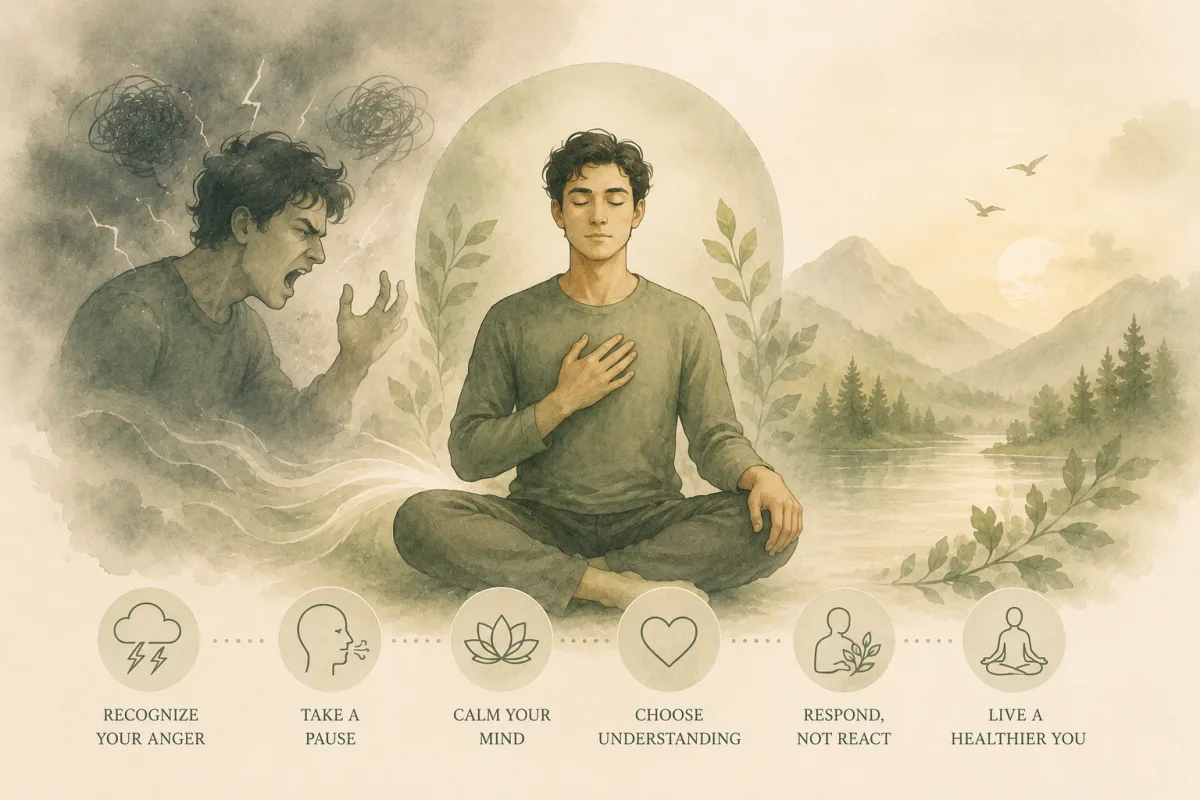
Anger is a normal, healthy emotion. It tells us something feels unfair, threatening or frustrating. Problems arise when anger becomes frequent, intense or expressed in ways that hurt relationships, work or health.
What lies beneath anger?
Anger is often a 'surface' emotion covering hurt, fear, shame or exhaustion. Understanding what sits underneath helps you respond to the real need.
Early warning signs
- Tight jaw or fists, heat in the face, faster breathing
- Thoughts like 'They always…' or 'This is unacceptable'
- Raised voice, pacing or wanting to hit or throw something
Practical techniques
- Pause and breathe: slow, longer out-breaths calm the body within a minute or two.
- Take a time-out: agree in advance with family that either person can step away and return in 20–30 minutes.
- Name the feeling: 'I feel hurt and ignored' is easier to resolve than shouting.
- Challenge hot thoughts: look for other explanations before reacting.
- Look after the basics: sleep, food and stress levels affect how short your fuse is.
When anger affects relationships
If anger is causing frequent conflict at home, couple counselling or family therapy can help everyone communicate more safely.
When to seek help
Consider professional support if anger feels out of control, leads to aggression, or if others feel afraid of you. Therapy offers a judgement-free space to understand triggers and build lasting skills.
Anger at home and work
At home, anger often shows up during conversations about money, chores, in-laws or parenting. At work, it can be triggered by deadlines, feeling disrespected or unfair treatment. In both places, pausing before responding and speaking about the specific issue rather than attacking the person makes a big difference.
Building long-term change
- Keep an anger diary: trigger, thoughts, body signs, what you did, outcome
- Practise relaxation daily, not only when angry
- Learn assertive communication: 'I feel… when… I need…'
- Exercise regularly to release built-up tension
Frequently asked questions
Is anger a mental illness?
No. Anger is a normal emotion. Help is useful when it is frequent, intense or harmful to relationships.
Can children learn anger management?
Yes. Age-appropriate strategies and parent guidance are part of child counselling.
How long does it take?
Many people notice change within six to ten sessions with regular practice.

RCI-licensed Clinical Psychologist and Mindfulness-Based Psychotherapist, Gold Medalist, with 10+ years of experience and 7,000+ therapy sessions.
About the author →Need someone to talk to?
Book a confidential session in Kolkata or online.